
Episode 48: Bink is That You?
A Tale of Two Kens
On the left we have Ken "Bink", the man, the myth, the legend. On the right we have Ken Allen, that ape that wouldn't give up.


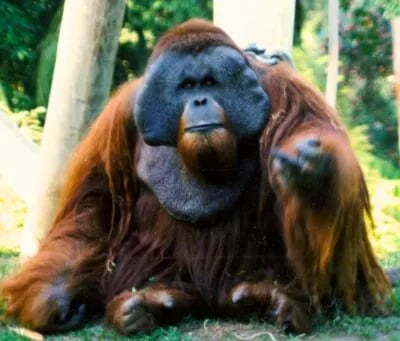
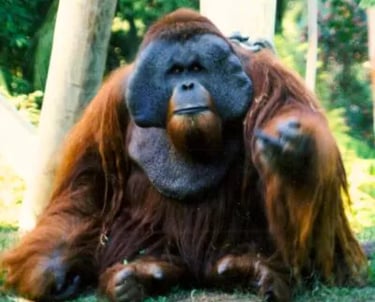
The Bornean Orangutan
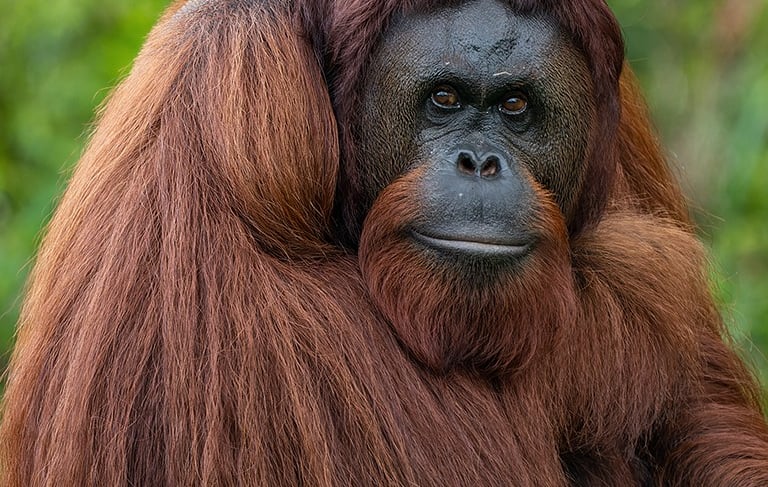
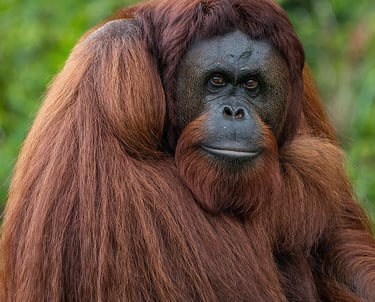
Bornean orangutans thrive primarily in Southeast Asia's forest habitats. Found on the island of Borneo, they prefer living in swampy, hilly, and old-growth rainforests. Their environment varies significantly, from lowland swamps to dipterocarp forests.
Their distinctive physical features include orange-red hair and lengthy arms, facilitating seamless canopy travel. This type of orangutan is large, with adult males averaging 165 pounds and adult females at around 85 pounds.
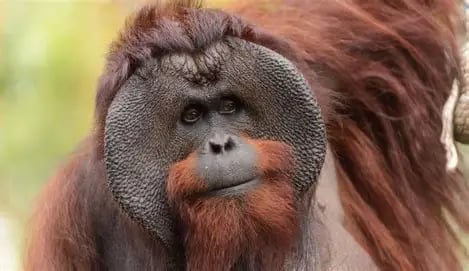
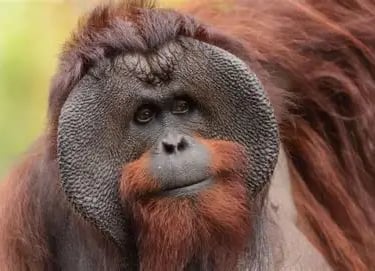
Sumatran Organgutan
Sumatran orangutans reside in lowland forests, swamps, and mangroves of Indonesia's Sumatran island. Heavy logging has isolated them in fragmented forests. Noticeable physical characteristics include their long, fine red body and facial hair. Adult male orangutans are identifiable by their white-haired cheek pads and an average weight of about 200 lb. Females, smaller by nature, average at 99 lb.
Tapanuli Organgutan
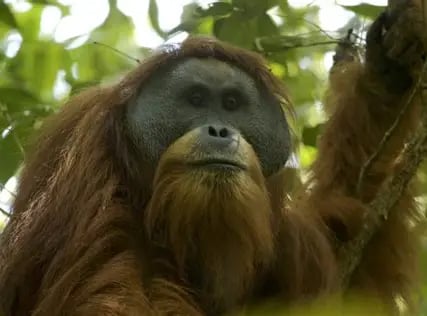
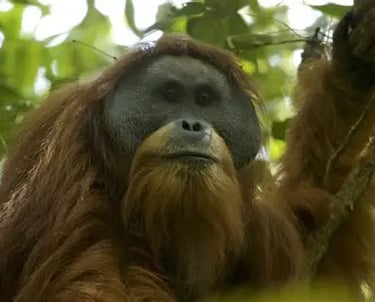
The Tapanuli orangutan holds residence in South Tapanuli on Sumatra, Indonesia's island. This group was recognized as a distinct species in 2017, thanks to a thorough phylogenetic study analyzing genetic samples and comparing the genomes of orangutans across Sumatra and Borneo. These orangutans bear a close resemblance to Sumatran orangutans. Apparent differences, however, are their frizzier hair, smaller heads, and flat, broad faces. Males have pronounced mustaches and large flat cheek pads (flanges). Their diet, which includes caterpillars and conifer cones, adds to their distinction.
Tapanuli Organgutan
The Tapanuli orangutan holds residence in South Tapanuli on Sumatra, Indonesia's island. This group was recognized as a distinct species in 2017, thanks to a thorough phylogenetic study analyzing genetic samples and comparing the genomes of orangutans across Sumatra and Borneo. These orangutans bear a close resemblance to Sumatran orangutans. Apparent differences, however, are their frizzier hair, smaller heads, and flat, broad faces. Males have pronounced mustaches and large flat cheek pads (flanges). Their diet, which includes caterpillars and conifer cones, adds to their distinction.
Cheers
Join us for laughs, stories, and wine!
Enjoy
React
buzzed.baffled@gmail.com
© 2025. All rights reserved.